Stories

See the stories behind our mission.

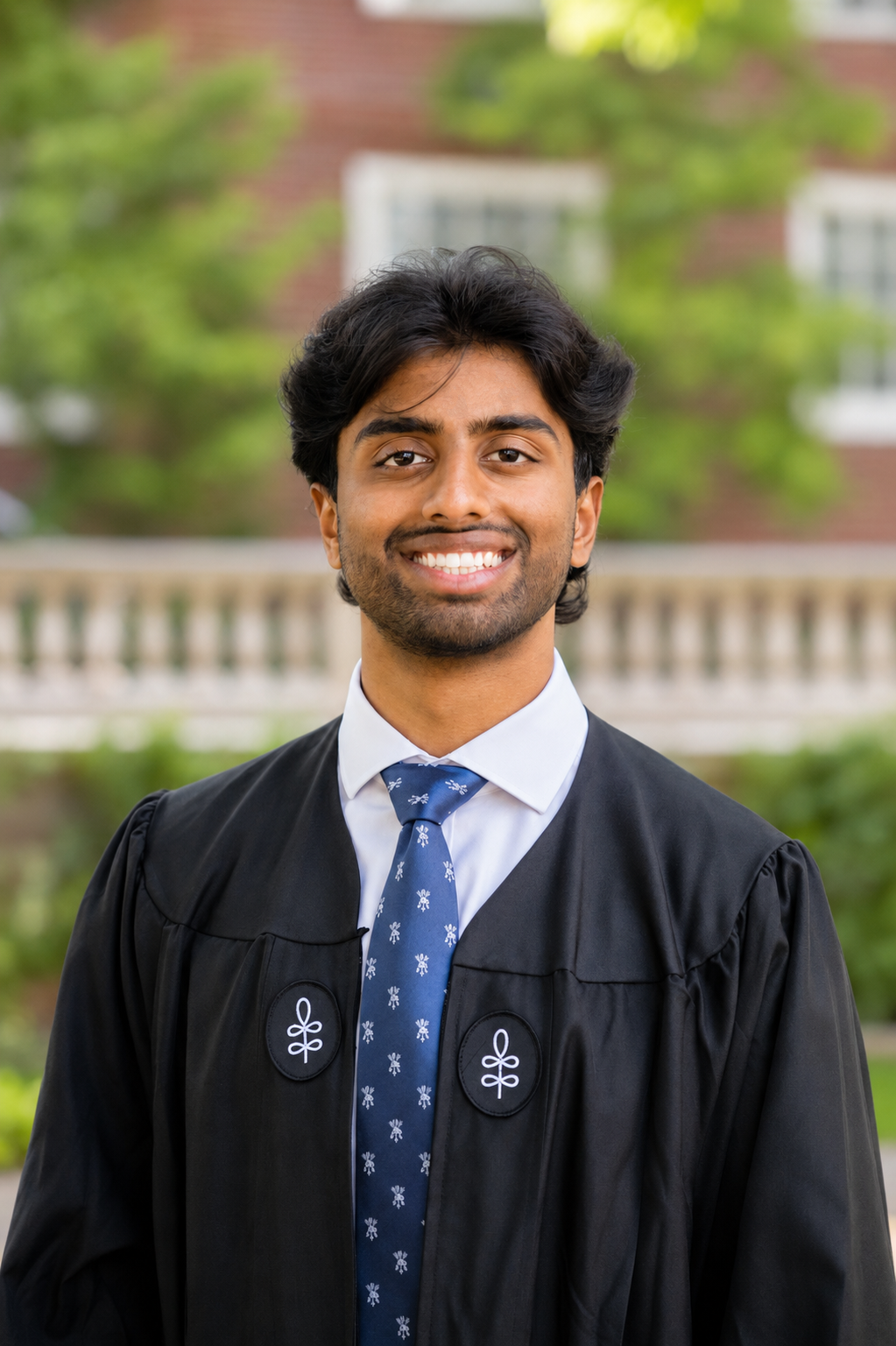
What Starting The Health Fluency Project Means to Me

A personal reflection on growing up in rural South Dakota, witnessing language-access barriers in care, and building HFP as a response to give back to the community.

Aditya portrait

My mother's experience with healthcare and why I started The Health Fluency Project

A firsthand account of how language barriers impacted one family’s healthcare journey and inspired long-term advocacy for health fluency.

Beier portrait

HFP Team Member Story

As a Haitian American who grew up in an immigrant household, I have seen how language barriers can make something as essential as healthcare feel out of reach. I watched my own relatives struggle to communicate with doctors, navigate health insurance, and understand treatment plans, often leading to frustration and missed opportunities for quality care. These experiences have shaped my belief that health fluency is not just important, it is vital.

Although this was my first time being introduced to this organization, the work of the Health Fluency Project feels deeply personal to me. Many members of Boston's immigrant community face the same challenges I have seen in my own family, and I am eager to contribute by helping others overcome these barriers. Through workshops and resources, I hope to empower individuals to feel confident in their ability to access and advocate for their healthcare.

As someone who loves volunteering and is committed to a future in medicine, I am passionate about initiatives that focus on equity, education, and inclusion. Joining this project is an opportunity to give back to a community I care about while working toward a future where language is never a barrier to quality care.

HFP Team Member Story

As soon as I learned how to read, write, and comprehend the English language, my literacy was challenged by the school, government, or health forms I would have to fill out on my parents' behalf, translating questions to the best of my abilities and regurgitating Bengali answers into English.

Stories like these are common for immigrant and underserved communities, and thus I am eager to alleviate that burden and empower individuals to confidently and adequately manage the American healthcare system. The lack of health literacy and language access for non-native English speakers is only one of several barriers in the healthcare system that prevent people from receiving necessary care.

As a student looking to enter the healthcare field, I am keen to immerse myself in the various struggles patient populations and their families face to create a more accessible and equitable system. In joining The Health Fluency Project, I believe I will be capable of uplifting communities close to me, beginning with my family and my neighborhood in Brooklyn. The ability to make well-informed health decisions about oneself is currently a privilege, and I want to make it an undeniable right for all individuals.

HFP Team Member Story

My interest in health literacy started as a little kid in the waiting room. Growing up as a chronically ill and injured kid with an immigrant parent came with many struggles. I had to be attentive to every detail the doctor told me during the appointment, so I could report it to my parents. If being a sick kid does not make you grow up fast already, then the language barrier sure does.

I am interested in joining the Health Fluency Project because I believe empowering patients to take their health back into their own hands will limit the number of misdiagnoses and biases that occur in the healthcare system. This passion also translates into my own startup to help disabled youth do the same thing. Every person deserves to have control over their health, and this starts with education. After all, education is power.

HFP Team Member Story

Growing up, I witnessed firsthand the challenges poor English speakers face in navigating healthcare systems. My father, an orthopedic surgeon in Jamaica, often shared stories of patients struggling to understand medical procedures and treatment plans due to language barriers. Seeing their confusion and fear inspired me to bridge this gap.

I believe that health literacy is a fundamental right, not a privilege. A lack of understanding can lead to poor health outcomes, financial burdens, and unnecessary suffering. By joining The Health Fluency Project, I hope to empower individuals with the knowledge they need to make informed decisions about their well-being.

My passion for education and community care drives me to contribute meaningfully to initiatives that make complex information accessible. Whether through simplifying medical jargon, creating culturally relevant resources, or engaging in community outreach, I am committed to making healthcare more inclusive and understandable. Ultimately, I want to be part of a movement that ensures no one is left behind due to language barriers or lack of information.

HFP Team Member Story

I have grown up hearing about relatives developing chronic conditions and having serious health events. Within the Latinx community, that is relatively normalized, though in comparison to the majority these adverse outcomes are not, and I never thought that fate would come knocking on my home's door.

On May 27, 2021, my father passed away from a preventable cause. In districts where the community runs away from available healthcare because of how renownedly inferior it is, there is no circumventing this system in the case of an emergency, making change necessary.

I have made it my purpose ever since to advocate for the healthcare of marginalized peoples, aiming to safeguard against medical malpractice and codify quality standards where they are ignored. Knowing how to respond in a health emergency and where to start in preventing them early is key to improving quality of life in minority communities. Being able to deliver health information that could be life-saving one day is a core reason I am committed to this work.

HFP Team Member Story

Growing up as the daughter of non-English-speaking parents, I often took on the role of translator during their healthcare visits. Those experiences highlighted the importance of linguistic accessibility and revealed systemic barriers that prevent many patients from receiving quality care.

The language barrier was not just a matter of miscommunication, it often led to mistrust and in some cases substandard care when providers dismissed or disrespected my parents for not speaking English. Beyond interactions with providers, I also saw how my parents turned to unreliable sources of health information, often leading to misinformation, emphasizing the need for accessible and accurate resources.

The Health Fluency Project's mission to equip English language learners with reliable healthcare knowledge aligns with my vision of serving underrepresented communities. By facilitating workshops and collaborating with community partners, I hope to break down these barriers and empower individuals with tools to make informed decisions about their health.

HFP Team Member Story

I started tutoring immigrant students in English during my freshman year at Winter Hill School in Somerville. Many of these students were undocumented, did not have stable homes, and had never sat in a classroom before. They struggled not only to write and speak in English but also made many errors in their native tongues, and only a few could write in their native language.

After working closely with these students for months, I grew to love each one of them and felt an obligation to help them learn English using all the resources I had because I was once an immigrant child who could not speak or read English well. The difference is that I was fortunate to have working parents, a stable home, and a green card.

I established the Tufts Pen Pal Program to help connect Winter Hill students with Tufts students. This not only sparked excitement among middle schoolers to learn and communicate in English, but it also made students in the Tufts community aware of the academic struggles of children who are only a short bus ride away. Joining the Health Fluency Project is a natural extension of that mission.

HFP Team Member Story

I am a Community Health major particularly interested in studying social determinants of health and reducing inequities through health law and policy. Cultural competency on behalf of all providers in the system is essential to high-quality, effective health care.

If patients are not able to communicate well with medical professionals, then all efforts to improve the healthcare system, from payment reform to prevention and expanded coverage, become much less meaningful in practice.

I wish to help reduce barriers to accessing health care and promote a more informed and health-conscious community. While there is always more work to do to achieve an equitable society, we can take action to dismantle structural inequities by focusing on preventable differences in health.

HFP Team Member Story

As a new Bostonian, I am thrilled about the opportunity to teach language learners about the healthcare system through the Health Fluency Project and give back to the community that has welcomed me with open arms.

From educating low-income elementary students in high school to teaching sixth graders as a CIVICS instructor, I have always loved connecting with others and helping them build confidence over the course of a semester. Working with the Health Fluency Project offers a fresh perspective, allowing me to guide language learners while learning from peer mentors and continually refining how I introduce new material.

Beyond my enthusiasm to volunteer, I believe my professional experiences have equipped me with project management skills, attention to detail, and communication and advocacy abilities that can support this mission.

HFP Team Member Story

As a daughter of Mexican immigrants, I grew up translating a wide range of things from Spanish to English for my parents, from everyday messages to important work presentations. Over the years, I observed their incredible strength as they attended night school to learn English while practicing for citizenship tests.

While I have never translated for my parents at doctors' appointments, I recognize that learning a new language while assimilating into American culture is by no means easy, and yet carries incredible importance in navigating day-to-day life.

Through the Health Fluency Project, I aim to give back to the Boston community by hosting educational workshops and creating informative resources to help people communicate as effectively as possible, especially in settings crucial to quality of life such as a physician's office.

HFP Team Member Story

Community is the cornerstone of healthcare while health is the most fundamental infrastructure to support community resilience and vitality. Medicine is a narrative of collective disenfranchisement, empowerment, shared ailments, and healing. The well-being of individuals is intricately intertwined with the well-being of the community.

I believe community health interrogates whether infrastructure is competent in making healthcare accessible and empathetic, focusing on equitable education and preventative care, and reconciling with intersectional complexities to reduce disparities in underserved and underrepresented communities.

Throughout my experience in low-income immigrant communities, I witnessed how a lack of culturally appropriate educational resources and prevention initiatives can disrupt children's development, from delayed immunizations and language-inaccessible specialist care to missed developmental milestones and untreated behavioral needs.

HFP Team Member Story

Growing up, I was my grandparent's nurse. I helped with daily care, checked blood sugar levels, and administered insulin. As an immigrant and non-English speaker, the healthcare system was not there to support him.

Ever since then, I have been drawn to medicine and, more importantly, to medical advocacy. I want to continue gaining experience in the field and making a positive impact for families navigating the same barriers.

HFP Team Member Story

My long-term goal is to become a physician and work with underprivileged communities both in my home state and in the areas where I study and practice. The work this project is doing resonates deeply with my vision for empowering communities to overcome barriers to healthcare.

Having studied Spanish for years and volunteered at an underprivileged pediatric clinic, I witnessed the challenges non-English-speaking families face in healthcare settings. The communication gap was stark and often left families feeling unheard and uninformed.

This experience has driven my passion for improving health literacy and access for underserved populations. By volunteering with this project, I hope to help bridge language and cultural gaps in healthcare and equip individuals with tools to advocate for their health and well-being.

HFP Team Member Story

I have always been passionate about the intersection of healthcare and language. During high school, I noticed that many people faced barriers to COVID vaccination, including language barriers. Many non-native English speakers waited on hold for hours only to find themselves unable to communicate effectively when registering.

To address this, I worked with local physicians to organize vaccination clinics tailored to marginalized communities, particularly Hispanic and Burmese populations. I served as a translator, assisted with paperwork, and helped reduce anxiety during care. Those clinics helped vaccinate more than 2,000 individuals who might otherwise have been overlooked.

My passion for teaching language complements this work. I have taught English to younger students internationally and locally, and I want to continue combining health equity and language access through this project.

HFP Team Member Story

Growing up in a sanctuary city, I was surrounded by stories about being uninsured, not feeling comfortable visiting the doctor because of language barriers, and distrusting medical professionals due to poor prior experiences. In many families, visiting a doctor is treated as a last resort, and this is not rare.

While volunteering as a Spanish interpreter in free clinics, I realized this is not just a local issue. Across communities, language barriers and limited access can lead to distrust and delayed care. As a first-generation immigrant, these lived experiences have fueled my aspiration to become a physician-advocate.

Through the Health Fluency Project, I hope to uplift my community and expand this work through education and outreach that creates long-term systemic change.

HFP Team Member Story

When I learned I would have a little sister, I was ecstatic. As she grew, I noticed something was wrong. My family was desperate for answers, and we made repeated trips to doctors' offices.

I took on the role of translator for my immigrant parents, determined to help. After many difficult visits, one pediatrician met us with patience and care, explaining diagnoses clearly enough for me to translate and helping our family understand what came next.

That day I learned healthcare is much more than medicine. It is communication, dignity, and trust. Behind every diagnosis is a human story, and those experiences shaped my commitment to patient advocacy and language-accessible care.